
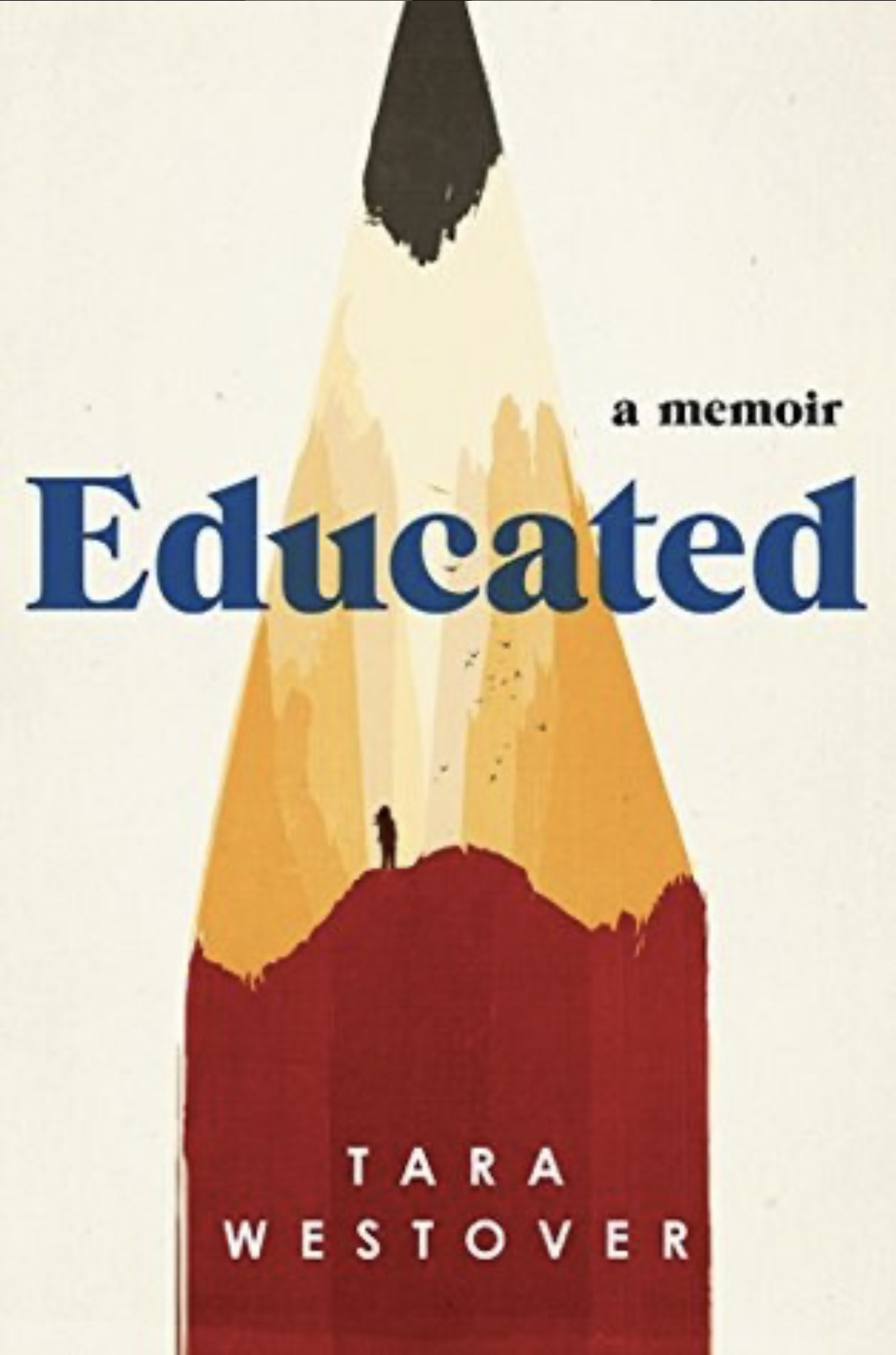
This is Tara’s memoir of her journey from the youngest daughter of a family which is culturally dominated by beliefs originated 4000 years ago in nomadic tribes in the Arabic desert and which is clinically dominated by the mania and the aggressiveness of bipolar disorder and by the thinking of persecution of schizophrenia.
Education is a wonderful Way for comprehending yourself, your family, your society, your culture, your tradition, your psychological setting and your environment, for having better diverse, balanced and rational perspectives, for choosing who you want to become and to become the person you want to become.
Tara’s writing style is melodic, symphonic, sometimes almost poetic, transparent, trustful, humble, sometimes doubtful of her own memories and thoughts, vivid, dramatic, and philosophical.
Tara’s story might help people to better understand who they are and inspire them to make themselves a fundamental change in their lives, as well as it might help the world, the public opinion, and people in position of leadership to better understand the dramatic lives of people isolated from education and health services.
I recommend this book to everyone who wants to understand how the power of tradition and culture and the dependence and necessity of approval that children need from their parents oppress them and make them feel unfit when, in fact, parents have their own traumas but don’t recognize them, and therefore oppress children to believe in what they believe, to be what parents wanted to be and not what children naturally are and want to become.
Tara’s story, backed by the authority of her own dramatic life and by the understanding she developed by studying and comparing different world views of many philosophers through history and by discussing them with fellow scholars, young and mature, contrasted with the reality of her own experience, makes us reflect on the oppression of deep-seated prejudices of outmoded religious creed, no more appropriated for the modern and enlightened contemporary society, such as the old-fashioned disregard of women dignity and of homosexual love and family bond.
I gave this book 5 stars because of the extraordinary quality of its writing, the essentiality of its subjects, with the potential to liberating oneself and many community selves from the chains of tradition, religion, culture and family beliefs which impose obstacles to oneself to see the light, to understand one’s inner self, to be free, and to be happy.
It’s a good companion for balancing and taking the Bible in perspective.
As Tara is still a young writer and this is her first book, I expect to see what more she contributes to the history of philosophy and to the social sciences in the future.
 ColaresNotes